







Search Results for: Neutral Coffee Beans
Brazil Santos Coffee Flavor Analysis: A Balanced, Neutral Bean and a Great Entry Point for Single-Origin Coffee
As a representative bean of the world's largest coffee-producing country, Brazil Santos serves as a versatile base for coffee blends thanks to its neutral, smooth taste and moderate acidity, and it is also the go-to choice for many coffee lovers just getting started. After medium roasting, it releases the alluring aroma of stone fruit and cream, with rich oils and a long finish. In this article, Front Street Coffee will guide you through a comprehensive look at this remarkably well-balanced Brazilian coffee bean from multiple angles, including its origin background, flavor characteristics, roasting approach, and processing methods. [more…]
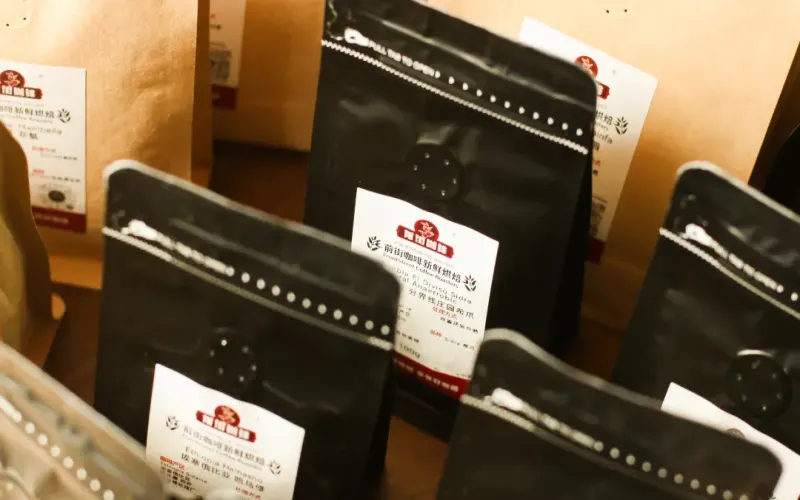
A Complete Guide to Coffee Bean Flavor Classification: Bitter, Acidic, Sweet, Neutral, and Rich Styles with Roasting Key Points
The flavors of coffee beans are incredibly diverse, and can generally be grouped into several major types: bitter-leaning, acidic-leaning, sweet-leaning, neutral, and aromatic/mellow. These differences mainly stem from the origin, variety, processing method, and roast level. During roasting, the Maillard reaction and caramelization together shape the aroma and color of the coffee, while the balance of acidity, sweetness, and bitterness depends on the length of the roast—the longer the roast, the weaker the acidity, the heavier the bitterness, and the more caramelized aromas accumulate. This article will systematically sort out the flavor classifications of coffee beans and, for pour-over and espresso scenarios, recommend dark-roast beans such as Front Street PWN Golden Mandheling, Front Street Dark Cocoa Base Blend, and Front Street Classic Blend, helping coffee enthusiasts choose beans precisely according to their taste preferences. [more…]
Global Specialty Coffee Origins Flavor Guide: Characteristics of Asian and American Bean Varieties and Analysis of Representative Origins
For coffee enthusiasts, understanding the flavor characteristics of different producing regions is an important step in exploring the world of specialty coffee. This article takes body, acidity, aroma, and other dimensions as its entry point, systematically sorting out the typical styles of Asian, American, and island-type coffees, and introducing one [more…]
A Flavor Analysis of Six World-Renowned Coffee Beans: A Complete Guide from Sour, Bitter, Sweet, and Mellow to Origins and Varieties
Coffee flavors are endlessly varied—acidity, bitterness, sweetness, and body each have their devotees—and all of this is closely tied to the origin and variety of the coffee beans. This article systematically sorts out the world's six most famous coffee bean types, listing representative origins by five dimensions: acidity, bitterness, sweetness, neutral taste, and rich body, and introduces one by one the taste characteristics and drinking suggestions for five distinctive beans: Timor-Leste, Ethiopia Lima, Indonesia Mandheling, Ethiopia Harar, and Peru. Whether you prefer the brightly fruity African beans or are drawn to the rich, intense Asian beans, you can find the cup that suits you in this guide. Front Street Coffee has also selected a range of high-quality bean sources for you, so why not follow this article and explore the infinite possibilities of coffee flavor together. [more…]
Comparing South America's Two Major Coffee Producers: Flavor Differences and Buying Tips for Brazilian and Colombian Single-Origin Beans
South America is a hugely important region on the global coffee map, with Brazil and Colombia occupying the positions of the world's first and second largest coffee-producing countries respectively. Although the two countries are geographically adjacent, they present strikingly different flavor directions due to differences in growing conditions, variety structures, and processing methods. Brazilian coffee beans are softer in texture with a balanced, neutral flavor, and are often used as a base bean for blends; Colombian coffee, on the other hand, is known for its rich aroma and balanced acidity and sweetness, with a more outstanding performance as a single origin. This article will systematically sort through the two from the perspectives of origin characteristics, representative bean varieties, flavor and mouthfeel, and brewing suitability, helping coffee lovers make clearer choices based on personal taste preferences, while also giving specific recommendations in conjunction with Front Street Coffee's product line. [more…]
Brazil Santos Coffee Beans: Flavor Characteristics of the Semi-Washed Process and Analysis of the Santos NO.2 Grade
Brazil, as a producing country accounting for as much as thirty percent of global coffee production, has coffee beans from its southeastern producing regions mostly exported through the Port of Santos, hence the name Santos coffee. This article focuses on the Brazil Santos semi-washed coffee beans recommended by Front Street Coffee, sorting through the producing region background, flavor expression, grade classification, and blending applications layer by layer. These beans have a harmonious aroma and a neutral, delicate fragrance, with notes of dried red dates, cinnamon, nutmeg, and earthy tones; the entry is balanced, followed by a gradually emerging slight acidity, with a faint bitterness lingering in the aftertaste. The article also explains in detail the screening criteria for Santos NO.2, the highest grade of Brazil Santos, and clarifies the key role of Brazilian beans in blended coffee in softening acidity and stabilizing quality, making it suitable reading for enthusiasts who wish to gain a deeper understanding of Brazilian coffee characteristics and blending logic. [more…]
Brazilian Specialty Coffee Beans: Origin Flavor Analysis and a Comprehensive Introduction to Front Street Recommendations and the Taste Characteristics of Varieties Such as Santos
Brazil is the world's largest coffee-producing country, and its coffee beans are known for low acidity, a smooth and mellow taste, and a distinctive grassy aroma. Coffee is grown in 17 of the country's 21 states, with 4 major producing states accounting for 98% of the national output combined. There are many varieties of Brazilian coffee, classified by producing state and shipping port, and the most famous is Santos coffee, which has a mellow, neutral flavor and is suitable for brewing directly or blending with other beans. Front Street Brazil coffee is extremely smooth on the palate, with an aftertaste that is refreshing and pleasant. This article will provide a comprehensive introduction to Brazilian coffee varieties, producing regions, grading classifications, and flavor characteristics, giving you an in-depth understanding of this important player in the global coffee trading market. [more…]
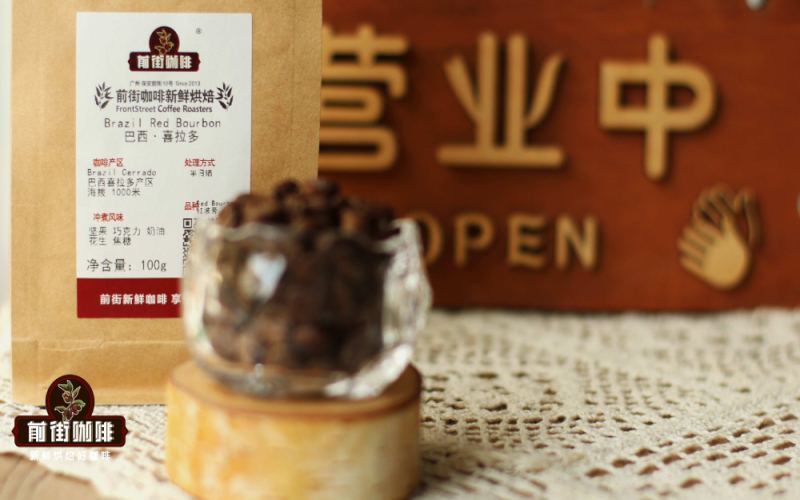
Brazilian Coffee Bean Grading System and Main Producing Regions Explained: Altitude, Varieties, and Front Street Recommendations
As the world's largest coffee producer, Brazil's green bean grading system and regional characteristics have always been a focus of attention for coffee enthusiasts. This article will start with the average cultivation altitude and main producing regions of Brazilian coffee, and provide a detailed interpretation of the local complex grading standards, including defect deduction, screen size specifications, and cup profile classification. At the same time, we will also introduce representative producing regions such as Cerrado and Mogiana, and recommend Front Street Coffee's Brazil Queen Estate Yellow Bourbon coffee beans, taking you through a comprehensive understanding of the unique charm of this quintessential neutral coffee-producing country. [more…]
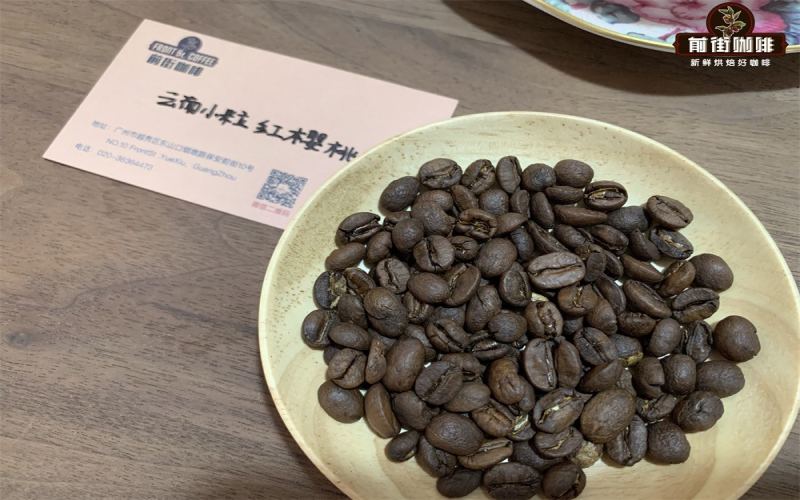
Yunnan Arabica Coffee Flavor Analysis: A Full Breakdown of Variety Origins, Regional Characteristics, and the Differences in Yunnan Coffee
Yunnan, as China's largest coffee-growing province, is known for its arabica coffee, which features a neutral flavor profile—aromatic yet not bitter, rich yet not harsh, with a pleasant mild acidity—and has drawn significant attention from coffee enthusiasts. Starting from the taste characteristics of Yunnan arabica coffee, this article systematically sorts out how it differs conceptually from Yunnan coffee in general, traces the historical origins of arabica coffee since its introduction to Yunnan in 1904, analyzes the flavor differences between the two major varieties Typica and Catimor, and provides a detailed introduction to the distinctive features of major producing regions such as Baoshan, Pu'er, Dehong, and Lincang. At the same time, the article also shares Front Street Coffee's experience cultivating Typica in Lincang, Yunnan, as well as the influence of washed and natural processing methods on flavor and brewing recommendations, helping readers gain a comprehensive understanding of the true character of Yunnan arabica coffee. [more…]

Analysis of the Flavor Characteristics of Brazil Santos Coffee Beans: A Classic Single-Origin Representative from the World's Largest Coffee-Producing Country
As the world's largest coffee producer, Brazil's Santos coffee has become a classic representative with its mild and balanced flavor. This article provides a detailed introduction to the quality grading, roasting suggestions, flavor characteristics, and origin background of Brazilian Santos coffee, giving you a comprehensive understanding of this neutral bean hailed as the representative of the "coffee continent." The article also shares the applications of Santos coffee in espresso and specialty coffee drinks, as well as how it conquers enthusiasts with its low-key and understated style. Whether you are a coffee novice or a seasoned player, you can gain a thorough understanding of this famous Brazilian specialty from this article, which also includes recommendation information from Front Street Coffee. [more…]
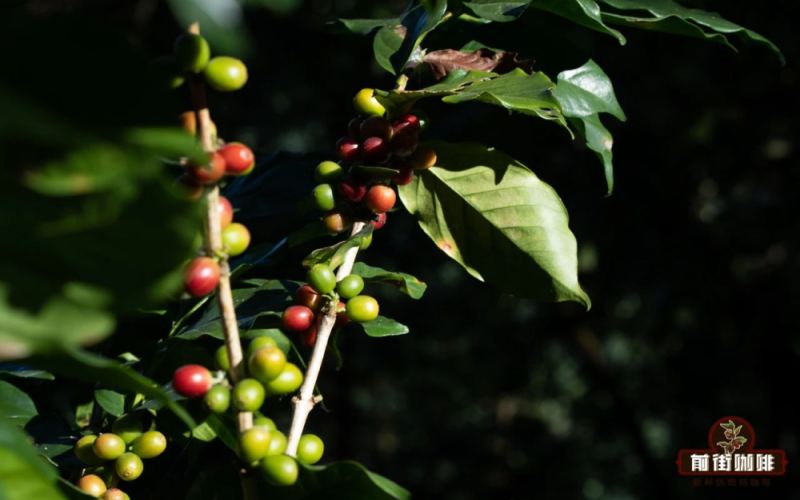
Why Is Yunnan Coffee Called Small-Bean Coffee? A Full Analysis of Its Regional History and Specialty Flavor Brewing
Among the three major species in the Coffea genus, Arabica is called small-fruit coffee because its fruit is relatively small, and this is precisely the origin of the name Yunnan small-bean coffee. This article will start from species classification, review the introduction history and main growing regions of Yunnan small-bean coffee, and, drawing on Front Street Coffee's cupping experience, analyze its neutral taste profile—aromatic without bitterness, rich without harshness, and pleasantly mild in acidity. At the same time, the article will also introduce the three Yunnan coffee beans currently sold by Front Street, as well as the V60 brewing parameters and specific pouring techniques designed for medium-dark roast levels, to help enthusiasts recreate a balanced and gentle cup of Yunnan small-bean coffee at home. [more…]
A Comprehensive Analysis of Brazil's Green Coffee Grading System: The Specialty Journey from Origin Distribution to Cupping Standards
Brazil, as the world's largest coffee producer, supplies about 45% of the world's green coffee beans, and its production fluctuations directly affect international coffee price trends. However, Brazil has numerous coffee-producing regions with uneven quality, making grading work especially complex. Front Street Coffee takes you on an in-depth look at Brazil's green bean grading system—from the flatland growing environment at altitudes of 600 to 1200 meters, to the flavor differences among seven major producing regions including Minas and São Paulo states, and to the multiple grading standards centered on defect deductions, screen size specifications, and cup quality flavors. The article will also introduce the origin information and flavor performance of Front Street Brazil Queen's Estate Yellow Bourbon coffee and Cerrado coffee, helping you fully understand the specialty potential of this representative neutral coffee country. [more…]
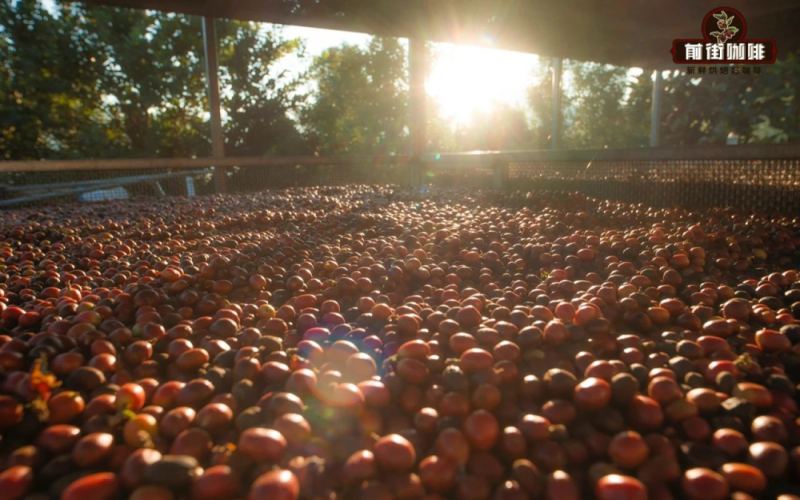
A Complete Analysis of Yunnan Small Bean Coffee Flavor and Taste: From Origin Terroir to Front Street Brand Brewing and Grinding Recommendations
Yunnan is China's largest coffee-producing region, accounting for 95% of the country's total output. Its small-bean coffee is actually of the Arabica variety, with a neutral and slightly acidic flavor profile that suits the general public's taste. This article begins with Yunnan coffee's growing environment and variety evolution, then focuses on Front Street Coffee's products such as washed Catimor, natural Catimor, and 2013 natural Typica, and explains in detail the brewing parameters under medium roast, grind settings, staged extraction techniques, and the flavor performance of each coffee, helping coffee lovers gain a comprehensive understanding of the taste characteristics and brewing key points of Yunnan small-bean coffee. [more…]
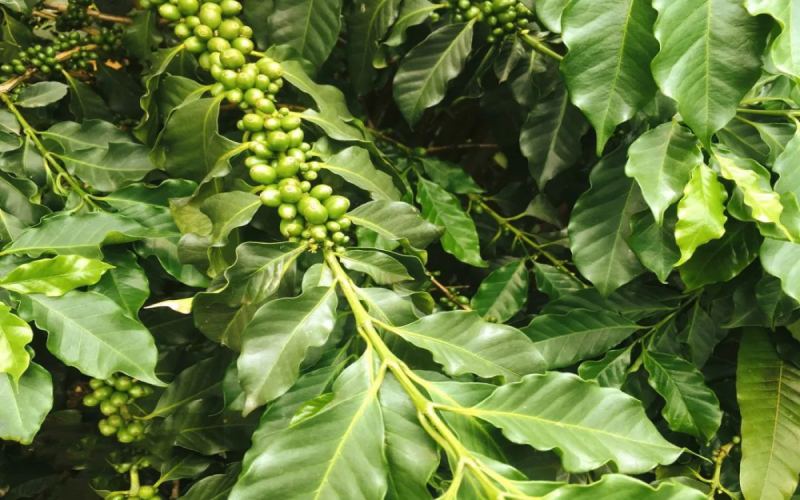
Analysis of Yunnan Small-Bean Coffee Varieties: Differences Between Typica and Catimor, and Front Street's Pour-Over Parameters
Yunnan small-batch coffee occupies a unique place in China's specialty coffee landscape, yet many people are unfamiliar with the variety story behind it. This article begins with the distinction between Arabica and Robusta, traces the variety shifts from Typica to Catimor over Yunnan coffee's century-plus history, analyzes the genetic reasons why Catimor is disease-resistant and high-yielding but less refined in flavor, and introduces the complete washed processing procedure. It also draws on Front Street Coffee's "Front Street 2013" sun-dried Typica beans from its Lincang estate in Yunnan alongside its everyday washed Catimor, showcasing Yunnan coffee's balanced, neutral profile of moderate acidity and bitterness, and concludes with Front Street's practical pour-over parameters for Yunnan small-batch coffee for your reference. [more…]
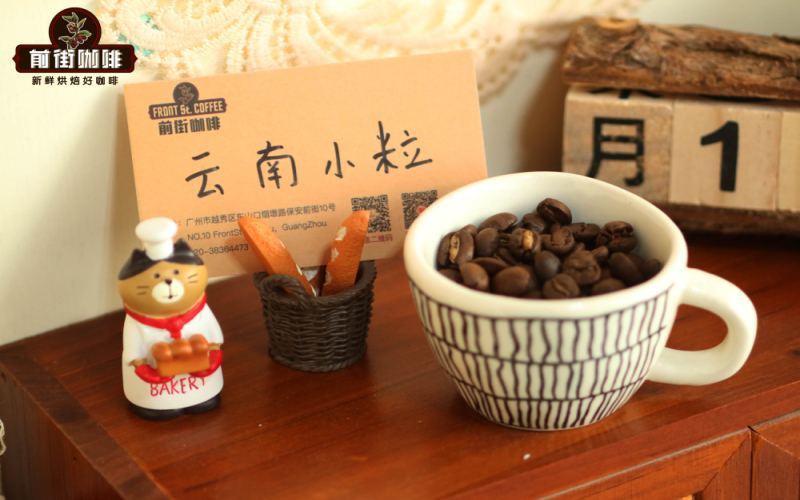
Yunnan Arabica Coffee Grading Standards and the Path to Specialty: A Terroir Flavor Analysis from Catimor to Front Street 2013
Yunnan coffee, as the representative of China's domestic coffee, has attracted much attention in recent years, but does it really count as specialty coffee? From the perspective of Front Street, this article sorts out the development of Yunnan coffee from its introduction in 1904 to the present, analyzes the impact of the Catimor variety on flavor, explains in detail the five-level standards by which Yunnan coffee is graded according to screen size, color, cleanliness, odor, and moisture content, and introduces the new grading system launched by YCE in 2019. At the same time, Front Street recommends washed Yunnan small-bean coffee and a sun-dried bean named after the brand, "Front Street 2013," along with suggested pour-over parameters, to help you experience the neutral flavor profile of Yunnan coffee—both acidity and a rich bitterness. [more…]
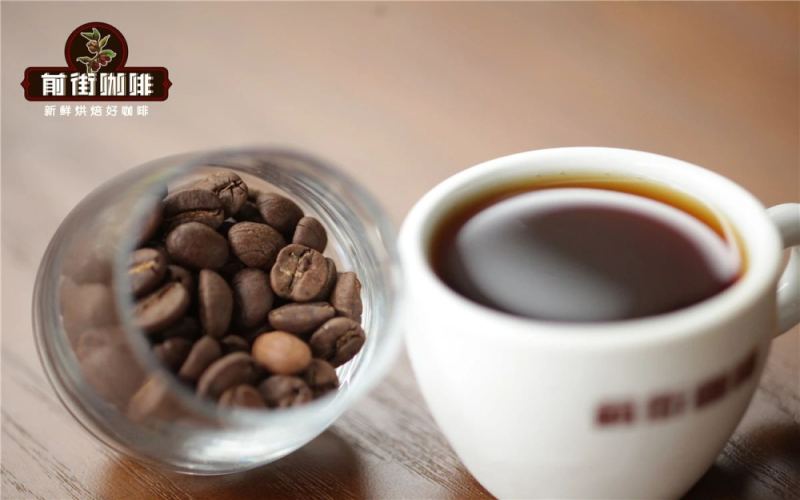
Exploring Indonesian Coffee Origins: The Flavor Truth of Mandheling and Kopi Luwak, Plus Front Street Brewing Tips
Indonesia is an important coffee-producing region globally, and among its coffees, Mandheling and Kopi Luwak are the most talked-about. Kopi Luwak is produced through fermentation within the civet, resulting in a flavor with herbal notes and excellent body, but its production is scarce and the price is high. However, driven by commercial interests, caged farming practices force civets to eat only coffee cherries, sparking controversy over animal welfare. Front Street Coffee believes that the formation of Kopi Luwak itself is not problematic; the issue lies in forced captivity and force-feeding. This article will discuss the origin of Kopi Luwak, the reasons behind its flavor, and the principles of in vivo fermentation, and share Front Street's neutral perspective and brewing methods, while recommending several Indonesian and other origin coffees worth trying. [more…]
Indonesian Civet Coffee Flavor and Taste Analysis: A Complete Guide to Kopi Luwak Bean Prices and Pour-Over Parameters
Kopi Luwak, commonly known as cat poop coffee, has long been regarded as a representative of high-end coffee, and the controversy surrounding it has never ceased. Starting from the habitat and eating habits of the civet, this article sorts out the formation principle of kopi luwak, discusses the influence of in-vivo fermentation processing on coffee bean flavor, and objectively analyzes the industry problems behind civet farming. Front Street Coffee (FrontStreet Coffee) takes a neutral stance on kopi luwak, and has also listed an Arabica kopi luwak produced in Aceh, Indonesia. This article will also share this bean's producing region information, flavor characteristics, and the specific parameters for a three-pour brewing method using the KONO dripper, helping coffee enthusiasts fully understand this special coffee. [more…]
How does Yunnan small-batch coffee taste? What exactly is the difference between Yunnan small-batch coffee and Yunnan coffee?
Yunnan, as China's core coffee-producing region, has drawn more attention to the charm of domestic coffee through film and television works. Is Yunnan arabica coffee actually good? And how does it differ from what is commonly called Yunnan coffee? Yunnan arabica coffee has a fairly neutral taste, with a balance of acidity and bitterness, and carries local terroir characteristics such as brown sugar and fruity acidity; overall it is aromatic without being bitter, and rich without being harsh. From a varietal perspective, arabica coffee is in fact another name for the Arabica species, while what is currently grown in Yunnan includes both the classic Typica and the disease-resistant, high-yielding Catimor. Front Street Coffee has established an estate in Lincang and launched products such as sun-dried Typica, striving to improve the quality of Yunnan coffee from the source of the varieties. This article will sort through the varietal origins, main producing areas, processing methods, and brewing suggestions. [more…]
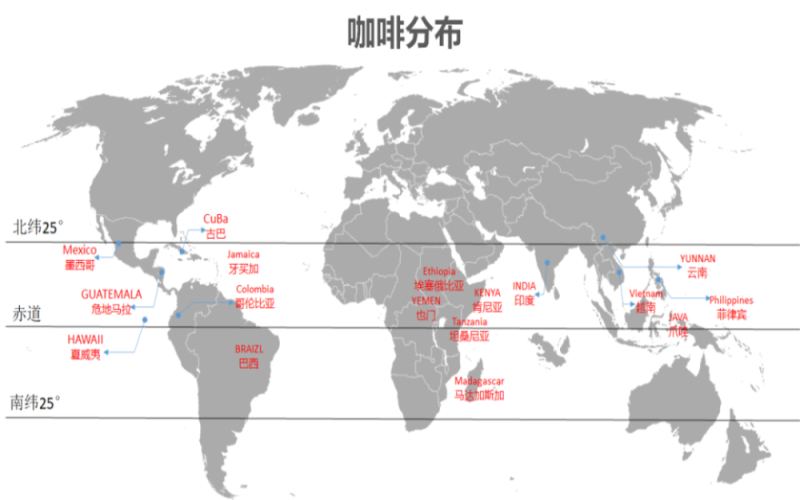
Analysis of Yunnan Coffee Bean Varieties: Flavor Characteristics and Cultivation History of Arabica Small-Bean Species
Yunnan, as China's core coffee-producing region, accounts for over 98% of the country's coffee output. What many people don't know is that the coffee grown in Yunnan belongs to the Arabica species, locally known as "Yunnan small-bean coffee." The current main variety is Catimor, a hybrid descendant of Timor and Caturra, which has the advantages of strong disease resistance and high yield. Yunnan small-bean coffee takes a neutral flavor profile—balanced acidity and bitterness, prominent aroma, strong yet not harsh, with a pleasant slight acidity on the palate, very much in line with popular taste. Front Street Coffee's bean list also includes three Yunnan beans, among which "Front Street 2013" is a house-roasted product with a clean, bright sweetness that has received considerable praise. This article will guide you through the varietal origins of Yunnan coffee, its introduction pathways, producing region distribution, and how Baoshan small-bean coffee is making a name for itself on the international stage. [more…]
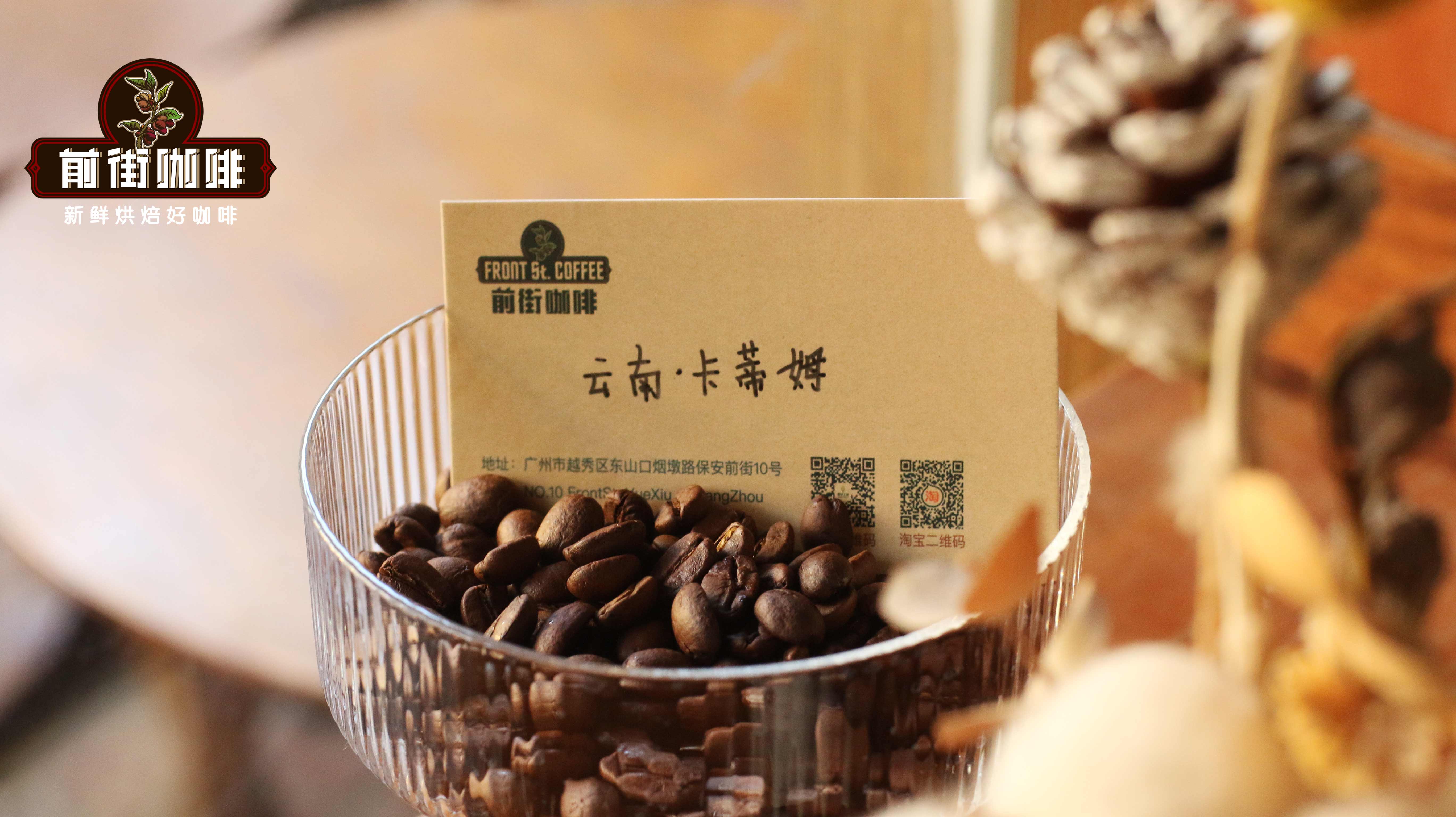
Yunnan Typica vs. Catimor Pour-Over Comparison: A Detailed Guide to Variety Characteristics, Growing Regions, and Brewing Parameters
Yunnan is China's most important coffee-producing region. Most Yunnan beans commonly found on the market are of the Catimor variety, while Typica is an old variety with a long history. This article starts with the washed Yunnan small-bean (Catimor) and the 2013 sun-dried Typica from Front Street Coffee's everyday-drinking series, systematically sorting out the origins and differences of the two major varieties, introducing the terroir characteristics of the four major producing regions of Baoshan, Dehong, Pu'er, and Lincang, and sharing the principles of the two processing methods, washed and sun-dried. On this basis, Front Street provides a pour-over recipe tailored to the balanced tonality of Yunnan coffee, including specific parameters such as a V60 dripper, 88°C water temperature, and a 1:15 coffee-to-water ratio, helping enthusiasts brew a layered cup interweaving notes of nuts, brown sugar, and plum acidity. [more…]